Indian Sandstone Paving Guide
Natural stone patios, driveways and pathways across Durham and the North East
What Is Indian Sandstone
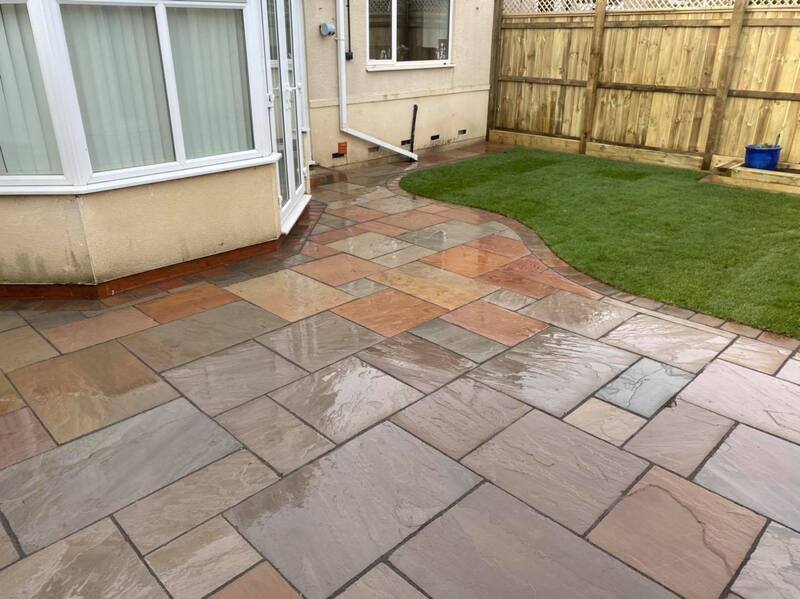
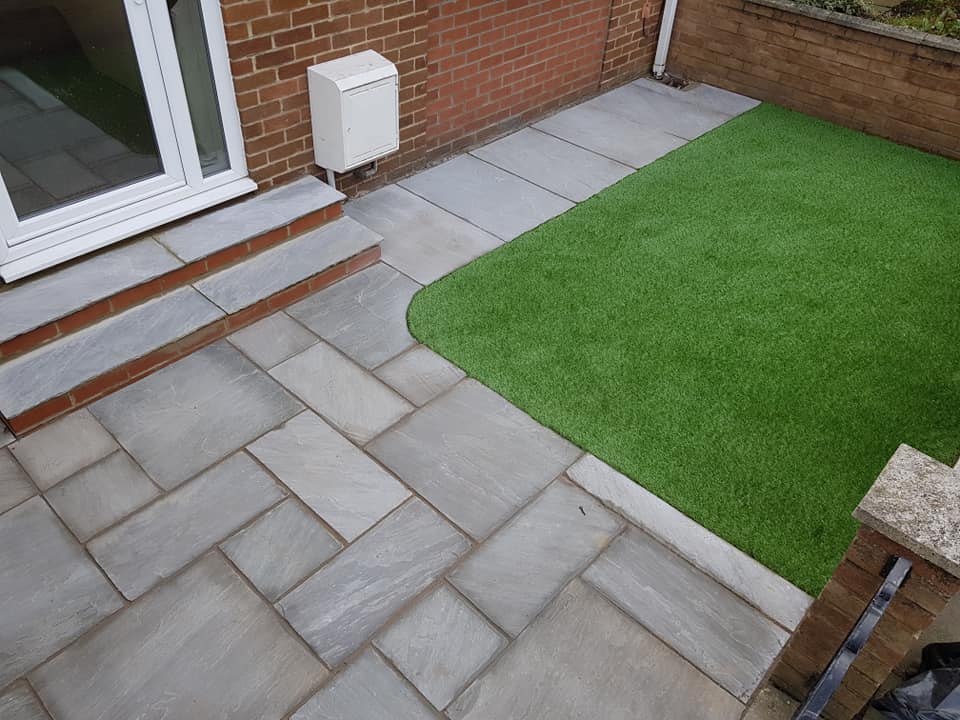
Indian sandstone is a natural sedimentary stone quarried in India, prized for hard landscaping because of its durability and the sheer range of colours and textures available — from warm honey and beige tones through to reds, browns and greys, depending on the iron oxide content of the stone. It suits patios, driveways, pathways and garden features equally well, and because it's a natural product no two areas look quite the same. We source our slabs from established stonemason suppliers who import directly from quarries in India, so you're getting a consistent, quality product with genuine variety to choose from rather than an inconsistent job lot.
Patios, Driveways and What They Cost
Sandstone patios are a popular way to add an outdoor entertaining space that lasts — the stone is durable enough to handle UK weather year-round and needs very little upkeep beyond an occasional sweep or wash. Installation typically starts from around £80 per square metre for a basic supply-and-fit patio, rising to £120+ per m² depending on the pattern, stone grade and any extras like raised beds, steps or seating areas built in — that price includes materials, labour and disposal of debris, so there shouldn't be hidden extras. Indian sandstone also works well for driveways, provided the slab thickness and sub-base are right for vehicle weight — we excavate to the correct depth and use appropriately sized stone so the finished surface can comfortably take cars, vans, and general daily use. Many customers finish the project by pairing their new patio with a new fence around the boundary, tying the whole space together in one visit.
Caring for Your Sandstone
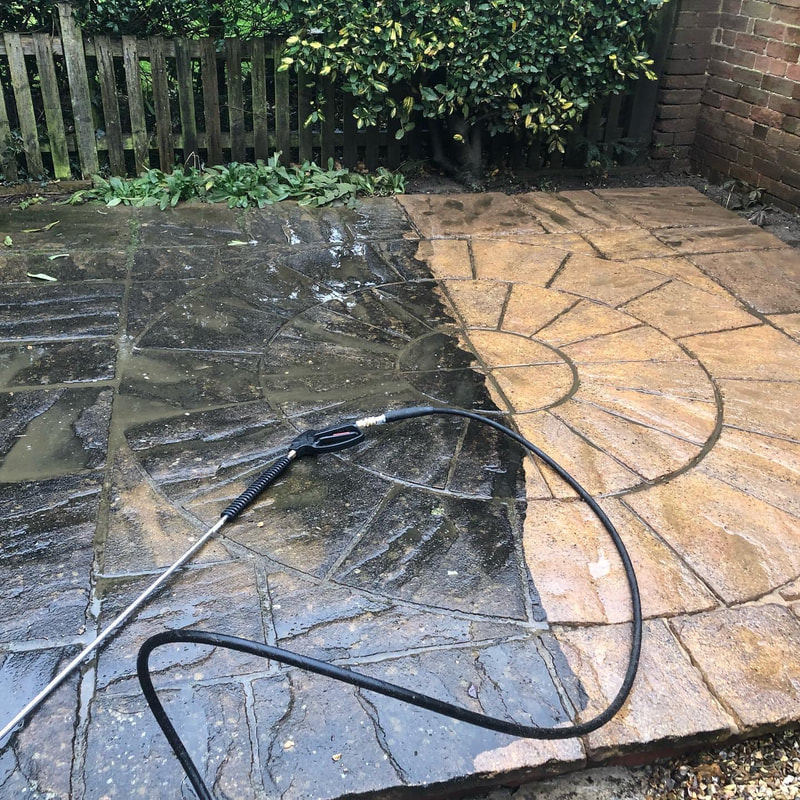
With proper sealing and care, Indian sandstone typically lasts 20 to 40 years, and it keeps its colour well provided it's cleaned regularly and not treated with harsh chemicals. Yes, you can jet wash it — just use a weak detergent solution at low pressure with a soft brush attachment, test on an inconspicuous area first, and rinse thoroughly afterwards to avoid streaking or staining. Smoother, polished finishes can become slippery when wet, so a textured or riven finish is usually the safer choice for paths and patios that see a lot of foot traffic. If you're planning a new patio, driveway or pathway and would like a free design consultation and quote, our landscaping team installs Indian sandstone across County Durham — get in touch to arrange a visit.
Frequently Asked Questions
How much does an Indian Sandstone Patio Cost?
When it comes to installing a patio in Durham, there are many factors that can affect how much your Indian Sandstone Patio installation will cost. The type of sandstone you choose and the quality, labour costs, and other variables such as removal of the existing surface or any additional work required will all have an impact on the overall price. Generally speaking, the cost for our Indian sandstone patio installation in the Durham and Northeast area starts from around £80 per square metre for basic supply and fit. However, depending on the scope of work and type of stone chosen this can range from £80 to over £120 per m². Additionally, you may wish to further enhance your Indian Sandstone Patio by adding features such as raised flowerbeds, steps or seating areas – all of which will add to
What is Indian Stone?
Indian sandstone paving is a great choice for any paving project, including, patios, garden paving, pathways, garden features and driveways. In fact, it has become a firm customer favourite for many reasons as it's perfect for any hard landscaping external application. Another advantage of Indian stone is the availability of colours, hues and various shades that are on offer to the customer, they are really spoilt for choice with this natural product. There is something for everyone's taste. Installing Indian stone can be a wise decision for your paving requirements. When professionally laid it looks great in all weathers all year round. Being a most durable, robust and hard-wearing stone, it will ensure that your paved patio or driveway area will stay looking the way you expect for years
Is Indian sandstone good for patios?
Indian sandstone is a great choice for patios, as it offers a unique aesthetic that many homeowners appreciate. It has become increasingly popular in recent years due to its ability to provide an attractive and durable patio surface, even in areas with poor weather conditions. Additionally, it's low-maintenance when compared to other material options such as concrete or brick. Indian sandstone is available in a variety of colours and finishes, allowing you to create the perfect look for your outdoor space. The natural texture and colour variations of this material add visual interest, creating a truly unique and beautiful patio. In addition to its aesthetic benefits, Indian sandstone is also very durable and can easily withstand any wear or tear from foot traffic and weather. This makes it
Is Indian stone suitable for my driveway?
This is a question that arises quite often. The answer is yes, as long as the stone thickness is sufficient, along with a suitable sub-base. As always with Premium Landscaping you count on our methods in completing a driveway installation to cater for the right sized stone and the excavation to the correct depth, so the area will be strong enough to take the weight of cars, vans and trucks. We supply and install Indian stone all over County Durham. Please take time look at our photographic portfolio of our previous work. Indian stone is a popular option for driveways, as it can be laid in a variety of shapes and sizes. Its smooth texture allows for a clean finish, making it easy to maintain. Indian stone is also very durable, and able to withstand heavy traffic and extreme weather conditio
Is Indian stone slippery when wet?
When it comes to the question of whether Indian stone is slippery when wet, the answer depends on several factors. The type of stone and its surface can both affect how slippery it becomes when wet. Generally speaking, some stones may be more likely to become slippery than others due to their makeup and texture. For instance, a smooth, polished Indian stone may become quite slippery when wet, whereas rougher stones may not. Additionally, some stones are more absorbent than others, and thus retain more water which can make them slippery regardless of their texture. Ultimately, it is important to be aware of the type of stone you have and take appropriate safety measures if necessary. To ensure a safe environment, you may want to opt for a more textured stone or treat the area with an anti-s
How long does Indian Sandstone last?
Indian Sandstone is a durable, hard material that can last for many years. Depending on the environment and wear-and-tear of the stone, it can last between 20 to 40 years or even longer. Indian Sandstone must be properly sealed for optimal protection against weathering elements, such as rain and sun exposure, which can break down the stone over time. Proper maintenance and care are essential for keeping Indian Sandstone looking its best. This includes regular cleaning, periodic resealing, and avoiding harsh chemical cleaners that may damage the stone’s finish. With proper care, your Indian Sandstone should last you a long time! In addition to its practical durability, Indian Sandstone also has environmental benefits. It is naturally sourced, meaning it doesn’t require energy-intensive proc
What colours does Indian sandstone come in?
Indian sandstone is a type of sedimentary rock that is found mainly in India and some parts of Pakistan, Nepal and Bangladesh. It usually has a rich yellow or golden hue and can appear to be quite vibrant in colour. Many people find Indian sandstone attractive because of its warm hues. In addition to the natural yellowish-golden colour, Indian sandstone also comes in brown, red and green shades. The colours of the stone depending on the amount of iron oxide present in it. Brown tones are created due to high concentrations of iron oxide, while red tones come from hematite or limonite deposits. Green hues are due to mixtures of chlorite and serpentine minerals. Indian sandstone can be used for a variety of purposes, such as walkways, pathways and patios. The beauty of the stone is further en
Does Indian sandstone keep its colour?
Indian sandstone is a popular building material that has been used in construction projects for centuries. It's durability and attractive colour is the primary reasons why it is so widely used. But one of the questions people often ask is whether Indian sandstone keeps its colour over time. The answer to this question is yes, Indian sandstone will keep its colour over time. The stone is made up of sand and cement, which helps to protect the colour from fading or changing due to environmental factors such as UV rays and water damage. Additionally, the stone is often sealed with an invisible sealant that prevents moisture and dirt from getting into the pores of the stone and discolouring it. With the proper care and maintenance, Indian sandstone can retain its beautiful colour for many years
Can you jet wash Indian sandstone?
Yes, you can jet wash Indian sandstone. However, it is important to take note of the following tips in order to ensure that your sandstone remains in good condition: Use a weak solution of detergent and water set at a low pressure when cleaning Indian sandstone with a pressure washer. Always test the pressure washer on a small, inconspicuous area before using it on your Indian sandstone. Use a soft brush attachment when cleaning a pressure washer; hard bristled brushes can damage and scratch the sandstone. Avoid getting any detergent or cleaner residue left behind as this may cause staining or discolouration. After cleaning the sandstone, rinse with clean water to ensure all detergent residue is removed. This will help prevent staining and help maintain the natural colour of the stone. B
Start Your Project
Premium Landscaping
Call 0191 743 6700