Artificial Grass Durham
Affordable Fake Grass Solutions — Premium Landscaping, Durham
Artificial Grass Installation in Durham
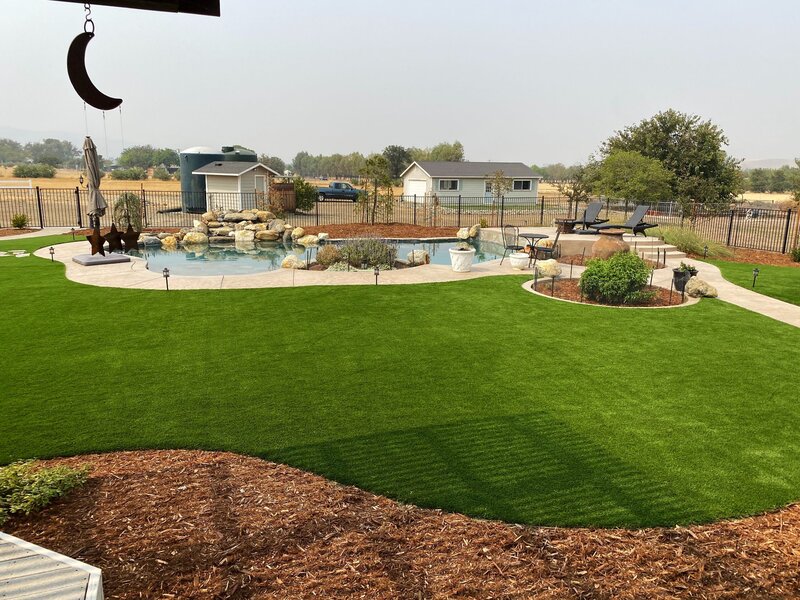
We supply and install artificial grass for homes, businesses, schools and sports areas across Durham, Newcastle, Sunderland and the surrounding area. Our turf is designed to handle everything the North East weather throws at it without wilting, fading or discolouring, and every installation includes proper ground preparation and underlay so the finished lawn stays flat, well-drained and long-lasting. Every job includes proper ground clearance and preparation, since a poorly prepared base is the most common cause of artificial lawns looking uneven or draining badly within the first year.
Artificial grass also works well as part of a wider garden landscaping project, sitting alongside patios, borders and raised beds, and if you're planning a bigger overhaul we can bring in our design expertise to plan the whole space together. A free consultation lets us assess your space and recommend the right grade of turf for how you'll actually use it, whether that's a show lawn, a family garden or a heavy-traffic play area. Get in touch to book yours.
Benefits of Artificial Grass
The appeal of artificial grass is mostly about what you stop having to do: no more mowing, watering, edging or feeding, and no more mud, bare patches or sun-bleaching. It's pet and child-friendly, stays looking good all year round, and typically lasts 10 to 20 years depending on the quality of turf and how much use it gets. Prices in the Durham area average around £70 to £90 per square metre installed, depending on size and ground conditions — we'll always give a clear quote after seeing the site. It's also a practical option for households with young children or pets, since there's no mud, no bare patches from regular use, and no need for chemical feeds or pesticides to keep it looking good.
Choosing the Right Grass and Underlay
There are three main types of artificial grass: polyethylene, which is affordable and durable but slightly less realistic; polypropylene, a mid-range option that's easy to maintain; and nylon, the most realistic and hardest-wearing but also the most expensive. Whichever you choose, a good underlay underneath is just as important as the turf itself — it cushions the surface, protects against wear and helps drainage, and needs to be laid level before the grass goes down. We can also advise on infill materials, which help the blades stand upright and add extra cushioning underfoot, particularly useful for play areas and gardens that see heavy use. Our landscaping team will talk you through the options and recommend the right combination for your budget and how the area will be used.
Artificial Grass FAQs
Is it safe for dogs? Yes — artificial grass is non-toxic, easy to clean and doesn't hold onto muddy paw prints or urine stains the way a real lawn can.
Does it need drainage? In most cases yes, particularly on clay soil or sloping gardens, and we can install French drains or catch basins as part of the job to stop water pooling.
Is it flammable? No — quality artificial turf carries a Class A or B fire rating, making it considerably safer in this respect than dry natural grass.
Do weeds grow through it? Rarely — the backing is too dense for most weed seeds, though it's worth keeping the surface clear of debris to stop anything taking hold at the edges.
Telephone: 0191-743-6700
Frequently Asked Questions
How Long Does The Artificial Grass Installation Take?
This all depends on the size of the area that you would like turfing, We can discuss this with you during your free consultation.
Can I buy and install artificial grass myself?
If you are considering buying and installing artificial grass yourself, it can be extremely beneficial in terms of cost savings. However, there may be some risks involved that could result in greater costs down the line if the installation is not done correctly. When purchasing artificial grass, it's important to consider its quality and composition. Synthetic turf usually includes a polyurethane backing layer, which helps it resist wear and tear. Make sure to get grass from a reputable dealer that provides the high-quality product with appropriate warranties. In terms of installation, there are several steps involved in the process. You will need to measure the area where you plan to install the turf, then prepare and level the ground. After that, you must securely attach the turf to the
How Long Does Your Fake Grass Last?
Usually has a life of around 10 years. This can be effected either way and dependable on the usage factor. If you have heavy foot traffic and the area is in constant use, then obviously the grass will wear down at a quicker rate.
How Can I Take Care Of My Artificial Grass?
As this is a low maintenance product it is fairly easy to look after. We advise the occasional light brushing every once in a while to remove any debris that nature has blown its way. Also, you could apply a weed killer twice a year to ensure any weeds do not decide to appear over time.
Is Artificial Grass OK For Dogs?
Yes, artificial grass is perfectly safe for dogs and other pets. Artificial grass is made from synthetic materials that are non-toxic and do not contain any potentially harmful chemicals or pesticides. It has a low risk of bacteria build-up due to its closed-loop structure, making it an ideal surface for playing, running, and relieving itself. Additionally, it is much more resistant to wear and tear than natural grass and is easier to clean. Artificial grass also provides a cooler surface in the summer months and can help reduce the risk of fleas, ticks, and other pests. All these factors make artificial grass an ideal choice for those with pets who want a low-maintenance outdoor space that won't be damaged by their pets. In conclusion, artificial grass is generally considered safe for do
Do You Need Drainage Under Artificial Grass?
When installing artificial turf, it is important to consider the drainage of the area. Poor drainage can lead to water pooling on the surface of the turf, which can create a muddy mess. Additionally, poor drainage can also lead to the growth of mould and mildew on the turf, which can be unsightly and potentially harmful to your health. If you are installing artificial turf in an area with poor drainage, it is important to install a drainage system underneath the turf to help mitigate these problems. There are a few different types of drainage systems that can be used under artificial turf. One type of system is a French drain, which consists of a perforated pipe that is buried beneath the turf. The pipe collects water from the surface of the turf and drains it away from the area. Another t
Is Artificial Grass Flammable?
It's a common misconception that artificial grass is flammable. However, this isn't the case! Artificial grass is made from synthetic materials that are designed to be fire resistant. In fact, most artificial grass products have a fire rating of Class A or B, which means they're much less likely to catch fire than natural grass. So, if you're worried about your artificial grass catching fire, don't be! It's actually a very safe material to use in your home or business.
Do Weeds Grow Through Fake Grass?
While it's possible for weeds to grow through fake grass, it's not very likely. The material that fake grass is made of is typically too dense for most weed seeds to penetrate. However, if there are cracks or other openings in the fake grass, weed seeds may be able to get in and start growing. To prevent this from happening, it's important to keep your fake grass clean and free of debris. You should also inspect it regularly for any signs of damage that could provide an opening for weeds. If you do find weeds growing in your fake grass, you can remove them by hand or with a weed trimmer.
Does Artificial Grass Get Hot In The Sun?
Yes, artificial grass does tend to get hot in direct sunlight. This is because the material that it is made out of (usually polyethylene or nylon) is a poor conductor of heat. As a result, the heat from the sun's rays is absorbed by the synthetic grass and can make it quite uncomfortable to walk on barefoot. There are a few things that you can do to mitigate this problem, however. First, try to choose an artificial grass that has a light coloration; this will help reflect some of the heat away from the surface. Additionally, you can also try spraying the artificial grass with water before use; this will help create a barrier between your skin and the synthetic material. Finally, avoid using the artificial grass during the hottest hours of the day; this will give it a chance to cool down so
What Is Artificial Grass Also Known As?
Artificial grass is also known as synthetic turf, fake grass, plastic grass, or AstroTurf. It is a surface made of synthetic fibres that are meant to look and feel like real grass. Artificial turf was first used in sports in the 1960s, and today it is widely used in a variety of settings, including residential homes, offices, schools and parks, sports arenas, and the commercial landscaping sector.
What Are The Benefits Of Artificial Grass?
Low maintenance and easy to care for Looks fantastic all year round No more time-consuming lawn mowing, edging and cutting No need to water over the summer months No more unsightly dead spots, brown stains and bleaching from the sun. Pet-friendly, no muddy paws and urine stain patches over your lawn Child-friendly, good for play areas, no muddy and dirty feet throughout your home No need to purchase expensive lawn feeds and fertilisers Whatever you choose to call it, artificial grass, synthetic grass, plastic grass, artificial turf or astroturf, there is an important place for it within the landscaping gardening industry and design .
Is Artificial Grass Worth The Money?
When it comes to your home or business, you want to make sure that you are getting the most for your money. With so many choices on the market, it can be difficult to decide which products are worth the investment. If you are considering artificial grass for your property, you may be wondering if it is worth the cost. There are a few things to consider when determining if artificial grass is worth the investment. First, you need to think about the long-term costs of maintaining natural grass. Watering, fertilising, and mowing natural grass can add up over time. Artificial grass requires little to no maintenance, which can save you money in the long run. Second, you need to think about the initial cost of installation. Artificial grass can be more expensive to install than natural grass, bu
How Long Does Artificial Grass Last?
Artificial grass is a great alternative to traditional grass for many reasons. It is durable, low maintenance, and looks great all year round. But how long does artificial grass last? On average, artificial grass will last between 10 and 20 years. However, there are a few factors that can impact the lifespan of artificial grass, such as the quality of the turf and the amount of traffic it gets. To ensure that your artificial grass lasts as long as possible, it is important to purchase high-quality turf from a reputable dealer. Additionally, avoid putting too much stress on the turf by using it only for light activities such as walking or sitting. With proper care, your artificial grass can provide you with years of enjoyment!
What Happens If A Dog Urinates On Artificial Grass?
If a dog urinates on artificial grass, it is not likely to cause any damage. The grass fibres may absorb some of the urine, and the urine may evaporate quickly. However, if there is a lot of urine, or if the dog urinates frequently in the same spot, the grass may become discoloured or develop an odour. If this happens, you may need to clean the spot with a mild detergent or disinfectant on a regular basis to deter this.
How To Clean Artificial Grass?
To clean artificial grass, start by rinsing it down with a garden hose to remove any loose dirt or debris. Next, mix up a mild soap and water solution and use it to scrub away any remaining dirt or stains. Finally, rinse the grass again with clean water to remove any soap residue. Let the grass dry completely before using it again. If you have any stubborn dirt or stains that just won't come clean, you can try using a diluted bleach solution. Be sure to test the solution on a small, inconspicuous area of the grass first to make sure it doesn't damage the synthetic fibres.
What Is The Best Type Of Artificial Grass To Install?
When it comes to artificial grass, there are a few different types to choose from. But which one is the best? The most popular type of artificial grass is probably nylon. It's durable and has a realistic look and feel. However, it can be quite expensive. If you're on a budget, polyethylene artificial grass is a good option. It's not as durable as nylon, but it's much more affordable. Another option is polypropylene artificial grass. This type is somewhere in between nylon and polyethylene in terms of price and durability. So, what's the best type of artificial grass? It really depends on your needs and budget. Nylon is the most durable and realistic option, but it's also the most expensive. Polyethylene is a good budget-friendly option, while polypropylene is a good middle-of-the-road choi
Start Your Project
Premium Landscaping
Call 0191-743-6700