How to Landscape a Garden
A Practical Guide from Premium Landscaping — Durham
Preparing Your Yard for Landscaping
Before any planting begins, decide what you actually want from the space — a flower garden, a lawn with trees and shrubs, or a mix of both. Mark out where beds, paths and features will go using stakes or spray paint, then clear away debris, old plants and overgrowth so you can see the shape of the plot clearly. Any hard surfaces such as an existing patio or driveway are worth pressure-washing at this stage too, so new planting doesn't sit against grime. Take photos of the space before you start too — it's a useful reference for spotting drainage issues, sun and shade patterns, or awkward corners once the ground is cleared.
Levelling the ground is one of the most important early steps: use a hose or string line to mark the area, remove high spots, fill in low ones, and compact the soil before going any further. A level, well-prepared base means your new lawn or planting has a firm foundation and won't be prone to waterlogging later on.
Testing and Improving Your Soil
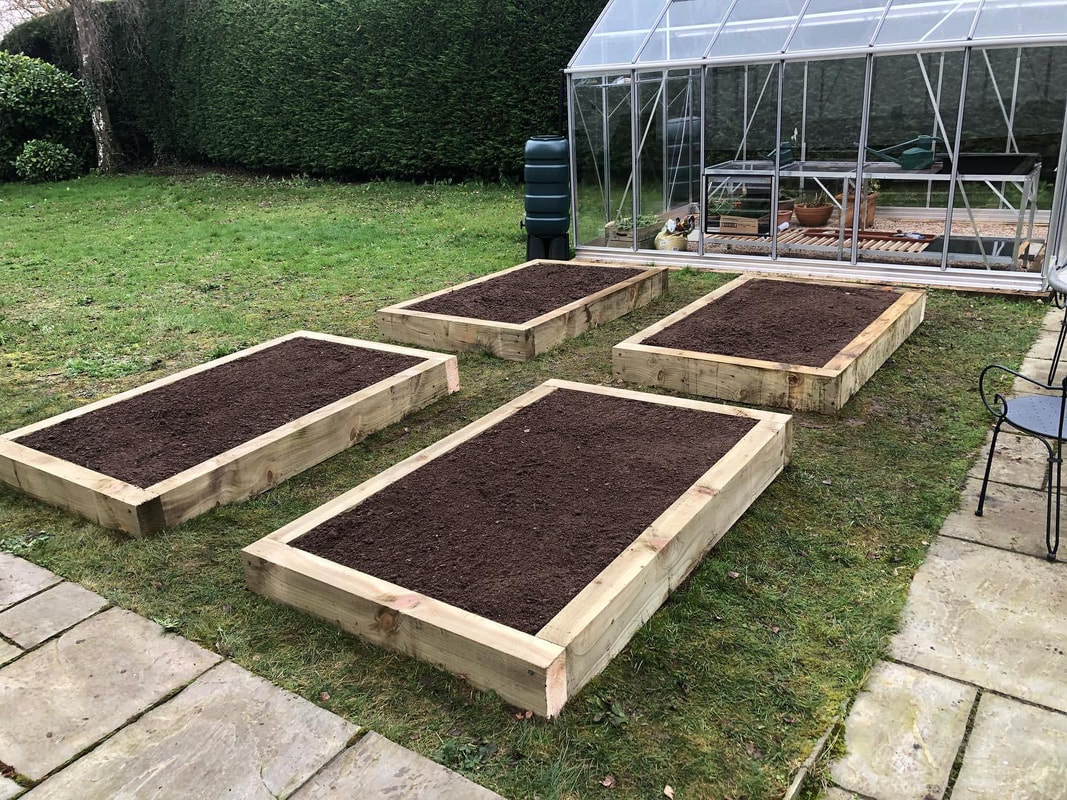
The type of soil in your garden has a big influence on what will grow well. A simple test is to dig a small hole and fill it with water — fast draining means sandy soil, slow draining means clay, and anything in between is loam. Once you know what you're working with, till the top six inches or so and work in organic matter such as compost, well-rotted manure or peat moss: sandy soil benefits from extra bulk to help it hold moisture, while clay soil needs the same treatment to improve drainage and aeration.
A half-inch layer of mulch on top helps conserve moisture and keeps nutrient levels topped up whatever soil type you have. If you'd rather leave this stage to the professionals, our team can assess and prepare the ground as part of a full garden landscaping job.
Choosing Plants That Will Thrive
Pick plants suited to the UK climate, your soil type and the amount of sun a bed actually gets, and think about their eventual size so nothing outgrows its space. Native and well-adapted species need less maintenance and support local wildlife too. Reliable performers in North East gardens include lavender and rosemary for sunny, free-draining spots, climbers like honeysuckle, ivy and wisteria for walls and fences, and structure plants such as roses, heather and hardy shrubs for year-round interest. Mixing evergreens with deciduous planting keeps a garden looking good in every season rather than bare over winter. A local nursery or landscaping company can also advise on plant availability and what's currently doing well in gardens nearby, which is often a better guide than general planting charts.
Design, Drainage and the Finishing Touches
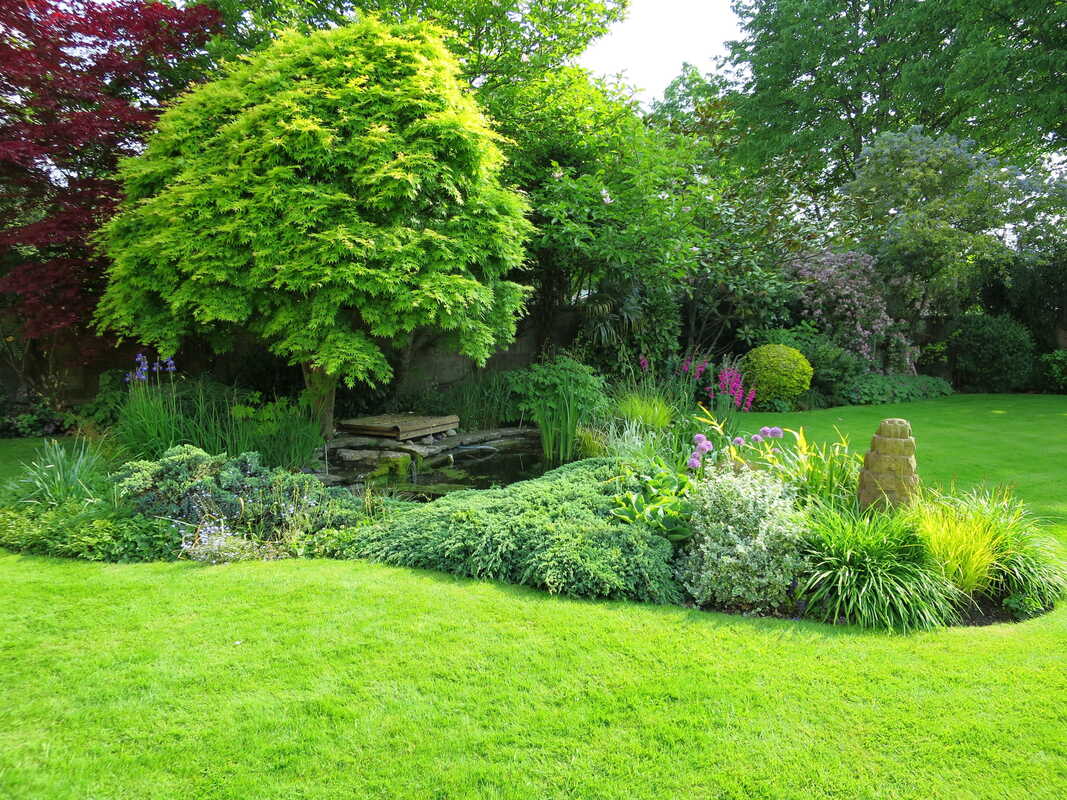
A good layout balances trees, shrubs and flower beds so the garden has depth and interest all year — see our soft landscaping work for examples of how planting schemes come together. Hard surfaces such as driveways, paths and patios are worth planning in at the same stage, since they define the shape of the beds and borders around them. If your garden holds water or dries out quickly in summer, an irrigation or drainage system is worth installing before planting rather than after.
Landscape fabric under beds and paths cuts down on weeding and helps drainage, while a finishing layer of mulch protects roots from frost and keeps everything looking tidy. Complex designs, particularly ones involving retaining walls, changes in level or significant drainage work, are usually worth handing to a landscape architect or experienced contractor rather than tackling as a DIY project. Landscaping a garden properly is as much about the groundwork as the planting — if you'd rather have it done right the first time, get in touch and we'll take care of the whole project from design through to the final planting.
Frequently Asked Questions
How do you prepare a yard for landscaping?
There are a few things to consider when preparing your yard for landscaping. First, you need to decide what kind of landscaping you want. Do you want a garden with flowers and plants? Or would you prefer a lawn with trees and shrubs? Once you have decided on the type of landscaping, you can start planning the layout of your yard. To prepare the soil for planting, you may need to add some fertiliser or compost. You should also rake and level the ground so it is ready for planting. If you are installing a lawn, you will need to remove any unwanted vegetation and soil amendments before laying down the turf. Once the ground is ready, you can start planting! If you are not sure how to plant or care for your landscaping, you can always consult a professional. They can help you choose the right p
How do you mark the ground for landscaping?
Marking the ground is an important step in landscape preparation. You will need to decide where you want your plants, trees, and other features to go before you start digging. You can use stakes, spray paint, or flags to mark the boundaries of your landscaping. Once you have marked the ground, it is time to start digging! Be careful not to damage any underground cables or pipes while you are working. Once you have finished digging, it is time to add some soil amendments. If your soil is for planting, you may need to add some fertiliser or compost. You should also rake and level the ground so it is ready for planting. If you are installing a lawn, you will need to remove any unwanted vegetation and soil amendments before laying down the turf. Once you have installed your lawn, it is time to
How do you do a till in landscaping?
To do a till in landscaping, you will need to loosen the soil so that it is ready for planting. You can do this with a shovel or a tiller. Once the soil is loosened, you can add some plants or other features to complete your landscaping project! Make sure to choose plants that will be able to thrive in your climate and soil type. You may also want to add mulch or stones to finish off your landscape project.
How do I prepare my bed for planting?
The bed is the area where you will plant your flowers, vegetables, or other plants. To prepare the bed, you will need to remove any weeds or other plants that are already growing there. You may also need to till the soil so that it is loose and ready for planting. Once the bed is prepared, you can add some mulch or stones to finish off your landscape project! Make sure to choose plants that will be able to thrive in your climate and soil type. You may also want to add mulch or stones to finish off your landscape project.
What is the best way to edge a lawn?
One of the best ways to edge a lawn is by using a lawn edger. This tool will help you create straight lines around your lawn. It is also a good way to remove any excess grass or weeds that may be growing next to your lawn. You can also use a shovel or spade to create an edge, but this method is a little more time consuming. Make sure to keep your edges trimmed and neat for a polished look!
How do you choose plants for landscaping?
When choosing plants for landscaping, it is important to take into account the climate and soil type of your area. You will also want to choose plants that are suited for the amount of sunlight that they will receive. It is also important to consider the size of the plant when it reaches maturity. Some plants may grow too large for the space you have allocated for them, so make sure to choose wisely! Not all plants will thrive in every climate zone. Make sure to choose plants that are native to your area, or that are adapted to the type of soil you have. This will help to ensure that they grow well and don't need a lot of extra care. In the United Kingdom, the best plants for landscaping are as follows: Honeysuckle, which is a climbing vine that will grow in full sun or partial shade. It p

Start Your Project
Premium Landscaping
Call 0191-917-5922