How to Landscape a Garden for Beginners
Premium Landscaping — Durham
What Is Garden Landscaping?
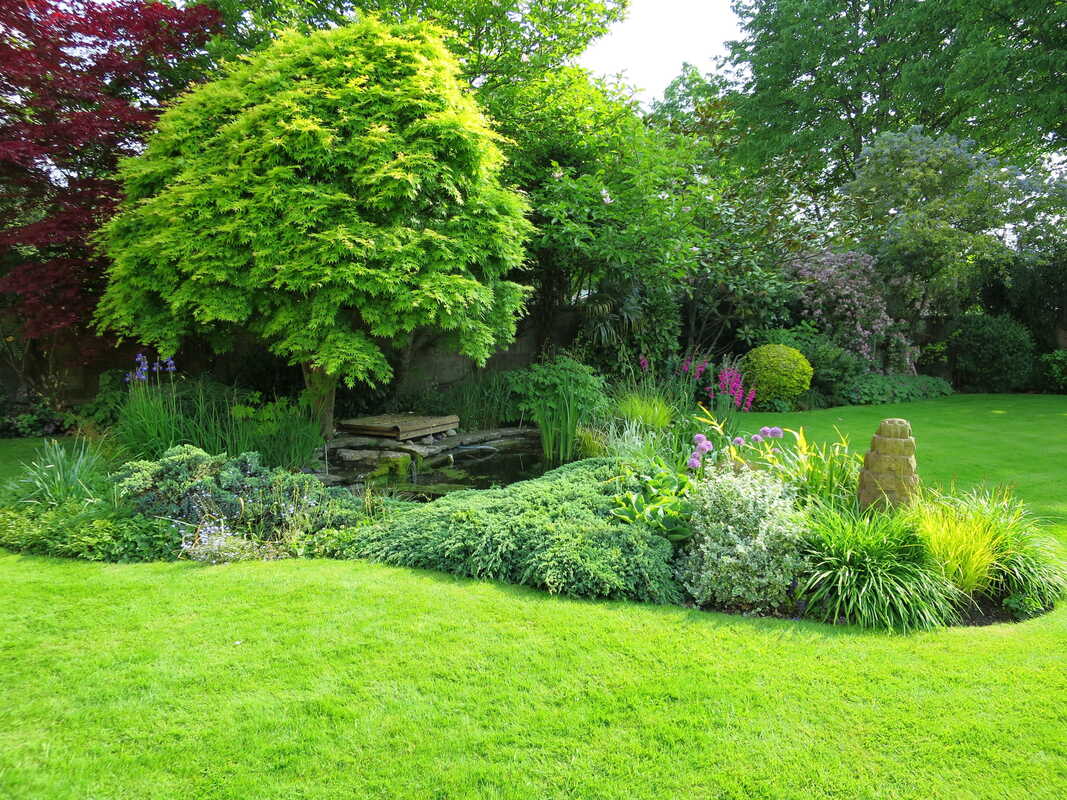
Garden landscaping is the process of turning an outdoor space into a functional, attractive environment – choosing and arranging plants, pathways, patios, water features and seating to make the most of what you have. It can also help make the most of a small plot, whether through a multi-level design or the addition of privacy screening.
Before starting, it's worth thinking through your local climate, soil type, budget and the overall style you're aiming for, since these will shape almost every other decision you make along the way.
Simple Ideas for Beginners
You don't need expert knowledge to make a real difference to a garden. Planting a mix of colourful annuals, hardy perennials and a few evergreen shrubs or trees is one of the simplest, most cost-effective ways to add life to a space.
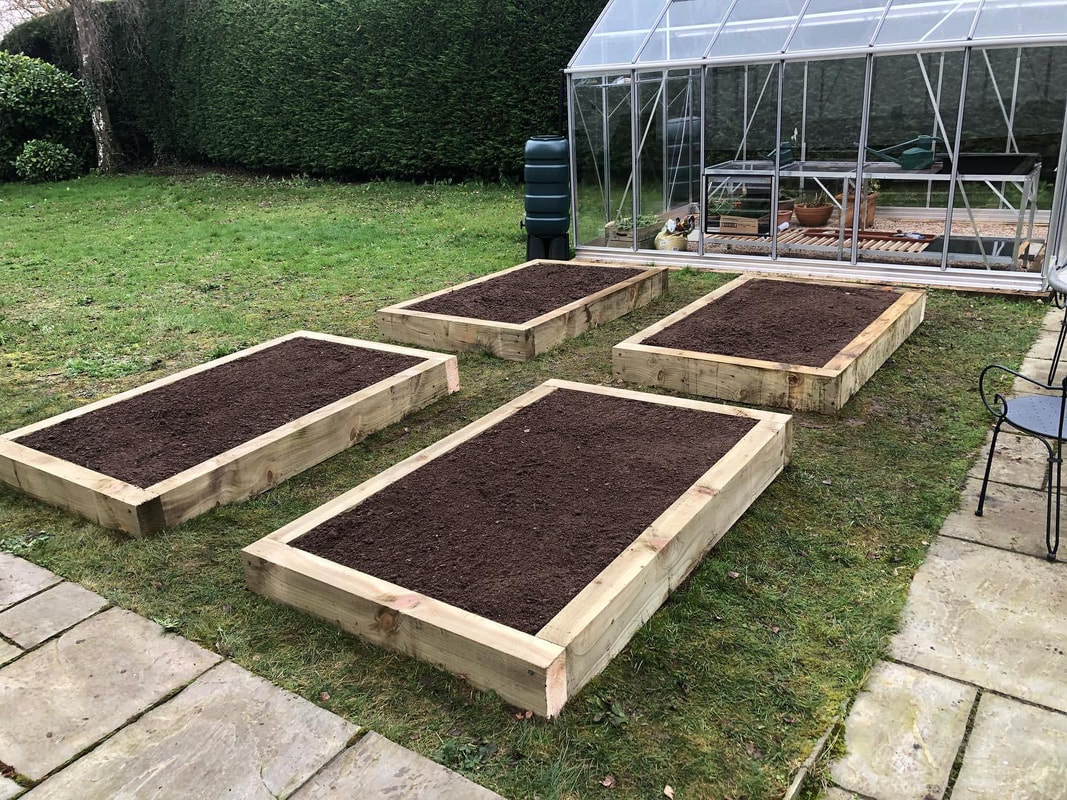
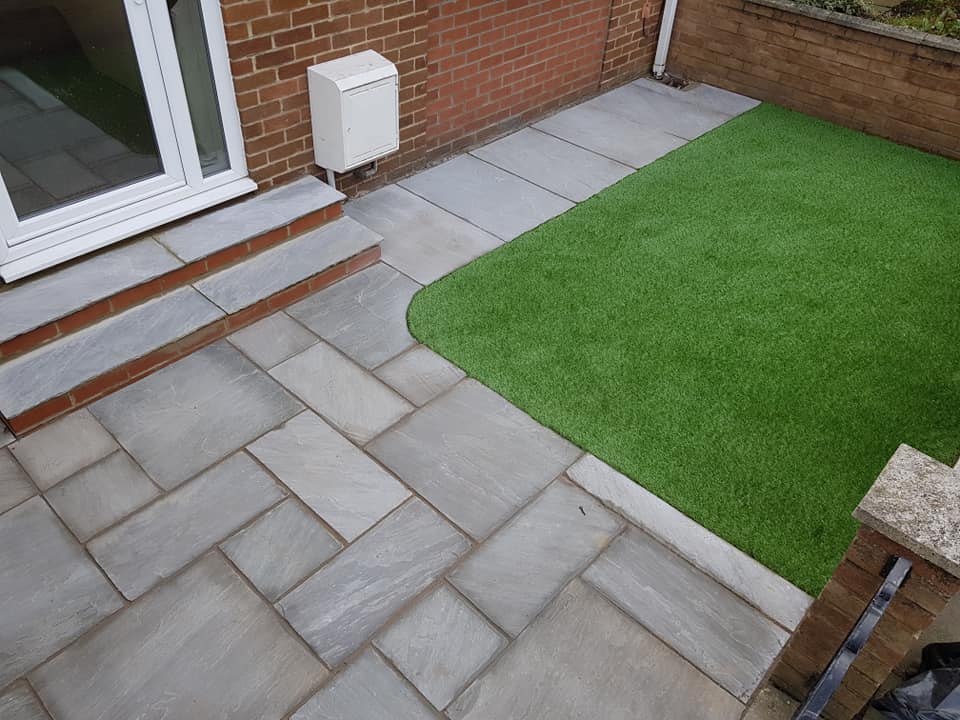
A pathway – whether a simple stone path or a more elaborate brick design – adds structure and makes a garden feel more deliberate, and can be dressed up further with stepping stones or decorative boulders. Raised beds are a good option if mobility is a concern or you want to keep certain plants contained in one area, and a small water feature, fountain or birdbath adds a calming focal point. Don't overlook lighting either – it extends the time you can enjoy the garden into the evening at very little cost.
Planning Before You Start
Before any digging begins, take stock of the site: its size, aspect, soil type, drainage and any local planning restrictions. Use this information to sketch a rough concept plan covering where key features will go, then move on to more detailed planning – exact sizes, materials and plant choices – once the overall shape is agreed.
Factor in ongoing maintenance at this stage too, since some plants and materials need far more upkeep than others, and think about how the space will actually be used day to day, including practical points like clear pathways and safe, comfortable seating.
Choosing the Right Plants for Your Flower Beds
Match your plant choices to your local climate, soil and the amount of sun a bed receives – native species are usually the safest choice, since they're already suited to local conditions and tend to attract beneficial wildlife such as bees and butterflies.
If low maintenance matters to you, ask your local nursery which varieties need the least pruning, deadheading and watering. Getting this right from the start is often the difference between a garden that thrives with minimal effort and one that becomes a constant chore. Call Premium Landscaping if you'd like a hand turning your plans into reality.
Frequently Asked Questions
What is Garden Landscaping?
Garden landscaping is the process of transforming an outdoor space into a beautiful and functional environment. It involves selecting plants and other features to enhance your gardens, such as pathways, patios, water features, and seating areas. Garden landscaping can also help you make the most out of limited space by creating a multi-level garden or adding privacy screens. The possibilities are endless, so it’s important to take time to plan and design the perfect landscape for your needs. When starting a landscape project, it’s best to consider factors like your local climate, soil type, budget constraints, and what kind of style you’re aiming for. Once these details have been established, you can start planning out where each element will go. Pathways and walkways should be carefully p
Start Your Project
Premium Landscaping
Call 0191-917-5922