How to Design a Garden in Ten Steps
A Practical Planning Guide
Before You Start
Before drawing up any plans, assess your garden's environment - climate, sun exposure, soil type and drainage, wind patterns and the amount of space available all affect which plants and features will actually work. Sketch an initial layout showing where key features like raised beds, patios or ponds will sit, then decide on your main hardscaping materials (stone, pavers) and softscaping elements (grasses, shrubs) so the finished garden feels cohesive rather than a collection of unrelated ideas.
Your 10-Step Garden Design Plan
- Survey the space - note its size, shape and existing features such as trees or a patio.
- Determine your needs - decide whether you want a formal garden, year-round colour, or space for growing your own produce.
- Choose the right plants - select varieties suited to your climate and soil, and research their care needs.
- Layout the design - plan on paper or with design software where plants, paths, furniture and hard landscaping will go.
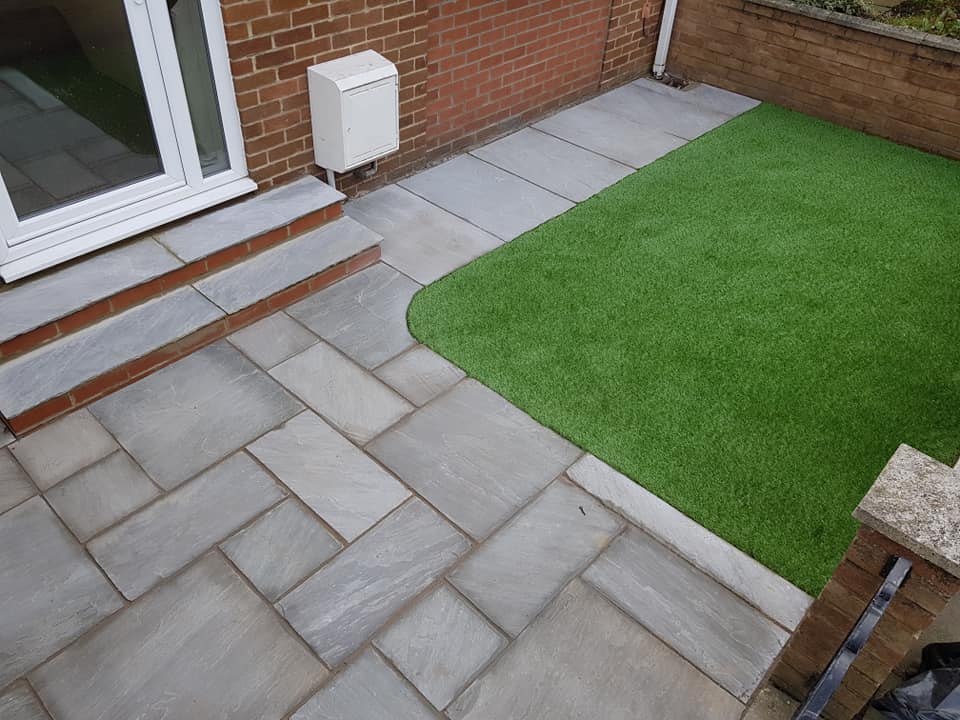
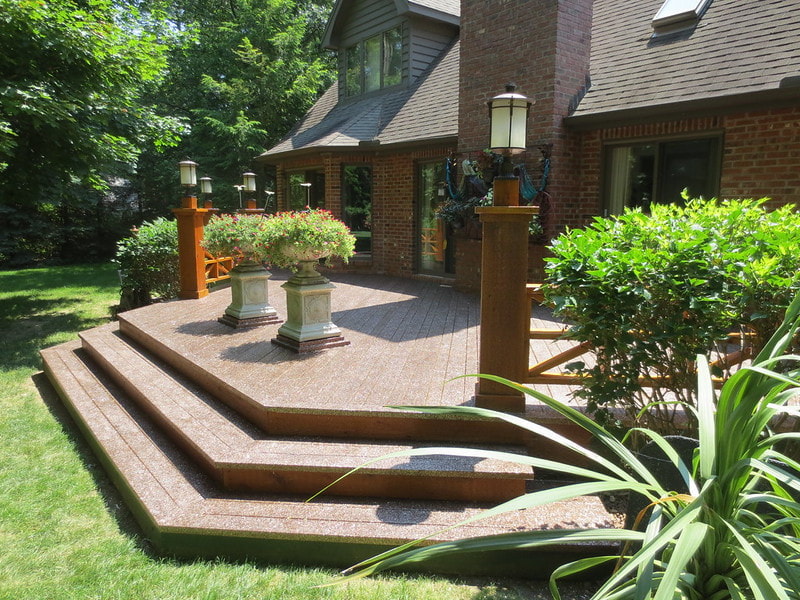
- Add hardscape elements - choose paving, decking or other materials that suit your budget; bring in a professional for measurements or installation.
- Choose outdoor furniture - pick weather-resistant pieces that suit the garden's style and everyday use.
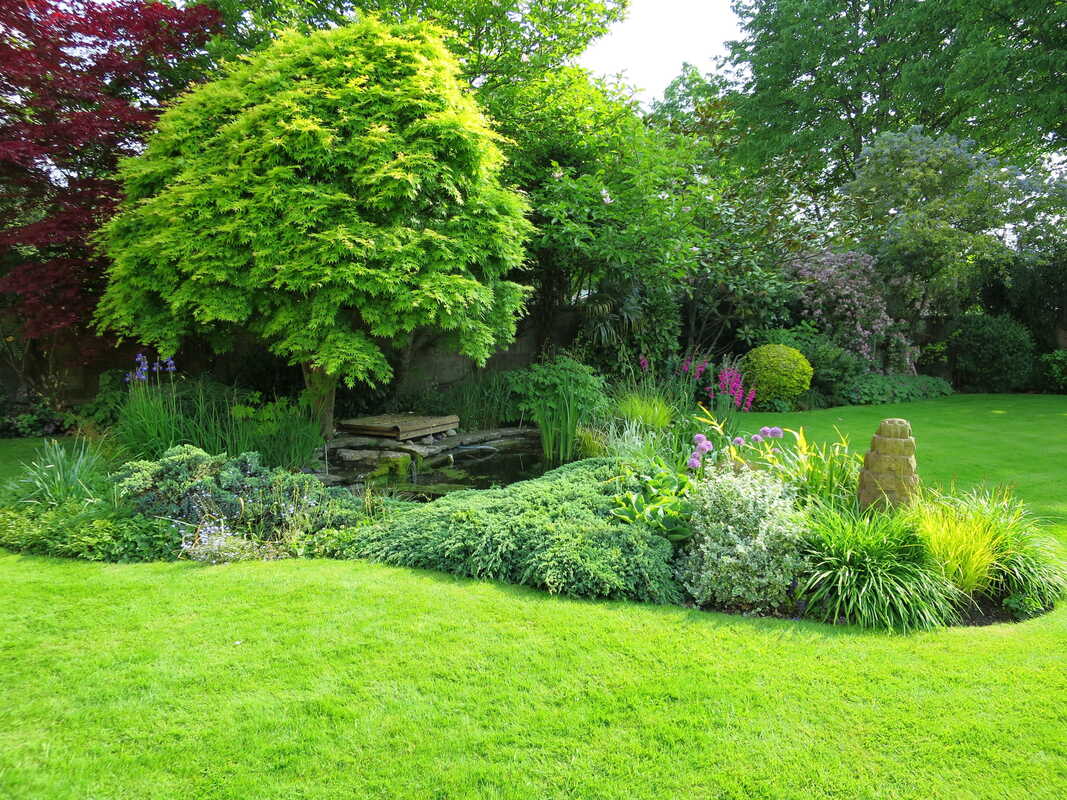
- Install water features - ponds or fountains add a soothing atmosphere; consider size, safety and any power needed.
- Plant trees - position them for shade and privacy while allowing for future growth and sightlines.
- Choose perennials and annuals - mix bloom times for continuous colour through the season.
- Add lighting and pathways - illuminate walkways and seating areas, and consider a fire pit or outdoor kitchen if you want to extend the garden's use into the evening.
Budgeting & Avoiding Common Mistakes
Work out the total cost of your project up front - materials, labour, plants and ongoing maintenance - and build in a contingency for the unexpected. Compare prices across suppliers, and if budget is tight, consider a DIY approach for simple tasks like raised beds or fence painting. When it comes to planting, avoid overcrowding - a smaller number of high-quality plants grouped well will always look better than a cluttered bed - and don't neglect basic maintenance like weeding, pruning and watering, or even the best-designed garden will lose its impact over time. If the project feels too big to take on alone, our team is happy to help at any stage, from initial design through to full installation.
Start Your Project
Premium Landscaping
Call 0191-917-5922